They’re questions that cause much debate. Should you use “few” or “less” when trying to compare two amounts? When do you use “many” and when do you use “lots of” or “much”?

Even the best of us can get it wrong … headlines from a digital jobs website, above, and a UK newspaper
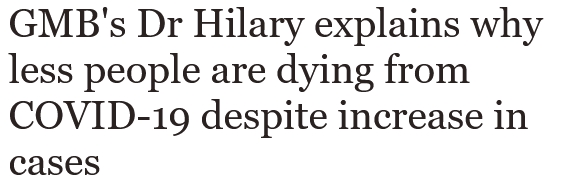
The main rule is to decide whether you can count the thing or things you are describing.
English has countable nouns and uncountable nouns.
If you are talking about people, cars, trucks, or knives and forks, you can count how many individual items or people you are referring to. If you’re talking about sand or rice or traffic, you can’t (life’s too short).
We use “few” or “fewer” with countable nouns, and “less” or “lesser” with uncountable nouns.
Some examples with countable nouns:
- Nearly 50 people came to church yesterday; fewer attended today
- We are expecting fewer than 100 cars in the car park
- There were fewer knives and forks on our table than on theirs
Some examples with uncountable nouns:
- After the chaos yesterday, there was less traffic on the roads today
- There was less sand in the car than in the shoes
The same rules apply with adverbs such as much, many, a lot of, and more
“Many” is used with countable nouns:
- Many people took part in the protest
- Many knives disappeared after the free lunch
- Many cars and vans were parked on the pavement
“Much” is used with uncountable nouns:
- Much of the crowd dispersed when it started raining
- Much of the traffic was from out of town
- Much of the cutlery had been bought from charity stores
 Whatstheword